The venue shares the details
Spaces and visit steps become one structured guide.
A little more clarity. A little less uncertainty.
Clear pre-visit and sensory information about places. See the spaces, understand the surroundings, and plan a visit in your own way.
No account needed. No diagnosis asked. Your decision.
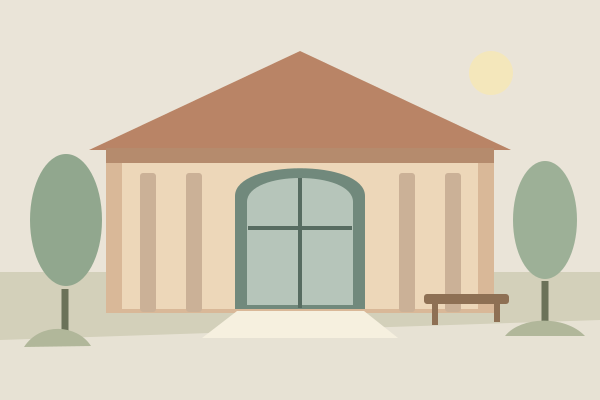
01 / 05 · The Willow Museum
A step-free entrance. A reception desk on your left. A place to pause, if you need it.
Information provided by venue
Understand a place before you visit.
Know who provided the information.
Decide what works for you.
How it works
Spaces and visit steps become one structured guide.
Venue information and independent checks are clearly distinguished.
Follow the guide, skip a step, or return whenever you like.
Who it’s for
Neurodivergent people, families, carers and anyone sensitive to noise, light or crowds.
Museums first, then theatres, clinics, universities and public offices that want to be predictable for every visitor.
Trained partners who check information on site, following a recorded protocol with dated measurements.
A guide, not a judgement
An environment can feel different to each person. NERUMA describes the place, without a single accessibility score or a promise that it suits everyone.
What you can find in a guide
Background music, echoes and sudden sounds.
Bright spaces, screens, glare and changes in light.
Busier times, waiting areas and personal space.
Noticeable smells, airflow and indoor conditions.
Quiet spaces, seating and available support.
Entrances, routes, lifts and what happens next.
Where the information comes from
The venue fills in the guide itself.
A trained assessor checks the place against a recorded protocol.
External evaluation with measurements and a separate reviewer.
None of these labels means “safe for everyone”. They describe where the information comes from, not the place.
How we decide